Alcohol intolerance Symptoms & causes
Etf Vs Etn Vs Etp Variations, Similarities, Risks, Etc
August 13, 2024Paginas Para Apostar 2026
August 16, 2024Instead, they state that the data indicate that alcohol interacts sneezing after drinking alcohol with a component involving the body’s allergic response. Genuine alcohol allergies, in which people only react to the alcohol, are much less frequent. Another theory suggests that alcohol may stimulate the trigeminal nerve, a cranial nerve responsible for sensation in the face and motor functions such as chewing. When this nerve is activated, it can cause a reflexive response like sneezing in some individuals.
If you’re concerned that you have an allergy, your GP will be able to help. “There are many possible reasons that alcohol may cause unpleasant symptoms that are not allergic in nature,” says Shaw. “Your doctor will decide if allergy testing is needed or if the problem is non-allergic (for example histamine intolerance or sulphite sensitivity testing will not be useful here).” Others believe it’s just a coincidental occurrence with no real significance.
- And if you have any sort of allergies, frequent alcohol consumption can worsen your symptoms.
- If your nasal passages become inflamed or irritated, the simple act of breathing could trigger a sneeze.
- With alcohol intolerance, your body isn’t reacting to the presence of alcohol; it’s simply taking a long time to break alcohol down and flush it from the body.
- This enzyme is produced from a gene but when, this gene is absent in the body, there is a lack of enzymes which leads to breaking down of alcohol but in an incomplete way.
- For many people, more than 2 ounces of alcohol can lead to triggering allergies which is also termed as alcohol allergy.
How Is Alcohol Intolerance Diagnosed?
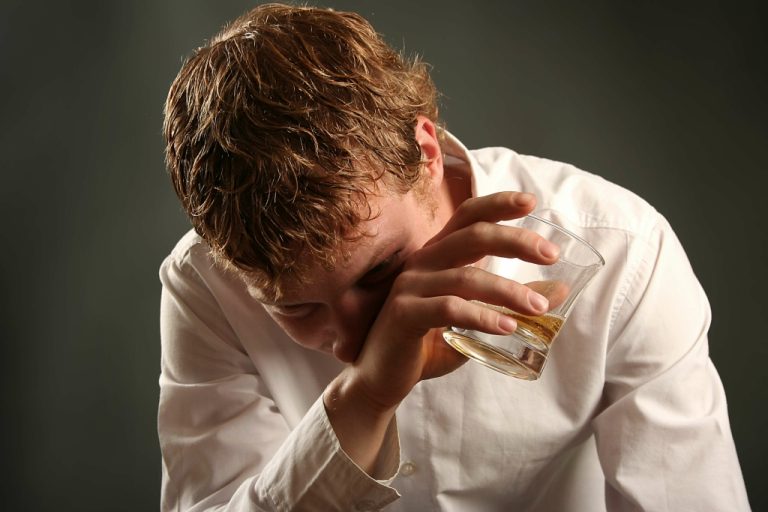
There is no evidence to suggest that specific types of https://ecosoberhouse.com/ alcohol are more likely to induce sneezing. However, some individuals may find certain alcoholic beverages, such as wine or beer, more likely to trigger the sneezing reflex due to their individual sensitivities. Sneezing alone is not typically a sign of alcohol intolerance, which usually involves symptoms like flushing, nausea, rapid heartbeat, or headache. If you experience multiple symptoms after drinking alcohol, you may have alcohol intolerance.
Imported Beer Distribution Shifts as Olvi Acquires Nordic…
Booze can cause us to experience everything from headaches to nausea the morning after, and can also impact on mental health conditions, such as anxiety or depression, too. It could be a sign that you actually have an allergy, or an intolerance. To reduce the risk of adverse reactions, it is important to avoid wines that contain sulfites. Additionally, those with sensitivities can opt for organic or biodynamic wines that are free from added sulfites. The study found that the effects of sulfites in wine can vary from mild to severe. The most common symptoms reported by those with sulfite sensitivity are nausea, headaches and skin rashes.
However, it’s important to know whether you have alcohol intolerance because it can put you at greater risk for alcohol-related health conditions. Alcohol allergy, while not widespread, is a possible reaction of the immune system to the ingredients in alcohol. It is estimated to affect around 1% of the population, though this figure may vary.
Why Do I Sneeze After I Drink Alcohol?
Knowing the potential risk posed by histamines will help ensure that the wine is safe and enjoyable for everyone to consume. White wine has been around for centuries and is enjoyed by many people worldwide. It is typically lighter and sweeter than red wine, but some may find that it can cause sneezing or other irritation. Researchers believe that this could be due to the sulfites used in producing white wine, as well as the histamines found in white grapes.
While beer is not a common irritant, several factors related to its consumption may contribute to sneezing in certain individuals. Understanding these factors can help identify the cause and address the issue effectively. Excessive drinking has numerous impacts on your body and mind, ranging from mild to severe. Learn which signs to look out for, and how to care for your well-being.
Additionally, if you have a family history of alcohol intolerance or have experienced uncomfortable symptoms after consuming alcohol before, it may be wise to avoid drinking altogether. Alcohol consumption can lead to a stuffy nose due to the effect it has on your body. Alcohol is metabolized by enzymes in your liver, which convert Sober living home ethanol into acetaldehyde.
Clear spirits like vodka, gin, and tequila typically contain fewer histamines and sulfites. ? Alcohol-induced sneezing is usually due to histamine sensitivity, sulfites, or blood vessel expansion. A sudden feeling of warmth can indicate the body’s inability to process alcohol. This effect can occur due to alcohol’s vasodilatory effect, making the skin feel unusually warm for a time.

For individuals with a histamine intolerance, consuming these beverages can lead to exaggerated responses, including sneezing. If you notice a pattern—sneezing specifically after consuming red wine versus clear liquor like vodka—it may be worth exploring this potential sensitivity. Dr. Adkinson recommends that people who are prone to alcohol-related allergic reactions should avoid consuming these fruits as well as alcoholic beverages containing sulfites.
Unfortunately, nothing can prevent reactions to alcohol or ingredients in alcoholic beverages. To avoid a reaction, avoid alcohol or the particular substance that causes your reaction. Sulfites are preservatives, and most countries permit their addition to alcoholic drinks such as beer and wine. However, some people may experience allergy-like reactions after consumption. People may also have an allergic reaction to specific ingredients in alcoholic drinks rather than the alcohol itself. Alcoholic drinks can also trigger an allergic reaction to food if you consume the two together, as alcohol can interfere with the gut lining.
Just like wine, beer has a lot of ingredients that can make someone sneezing after drinking alcohol react negatively. Furthermore, alcohol can cause swelling in the nasal tissue, leading to nasal congestion—an aggravating factor for Alcohol Use Disorder allergic rhinitis symptoms. Sneezing is generally harmless, but if it affects your quality of life, consult a doctor for solutions. Sneezing after drinking alcohol is common and often not serious, typically triggered by histamines in beverages or other irritants. Experiencing sneezing after drinking beer is an unusual but not uncommon phenomenon.
